




Welcome to the February issue of The Commercial Record! This month we take a look at everything real estate in the Nutmeg State – and it’s not all what you might expect.
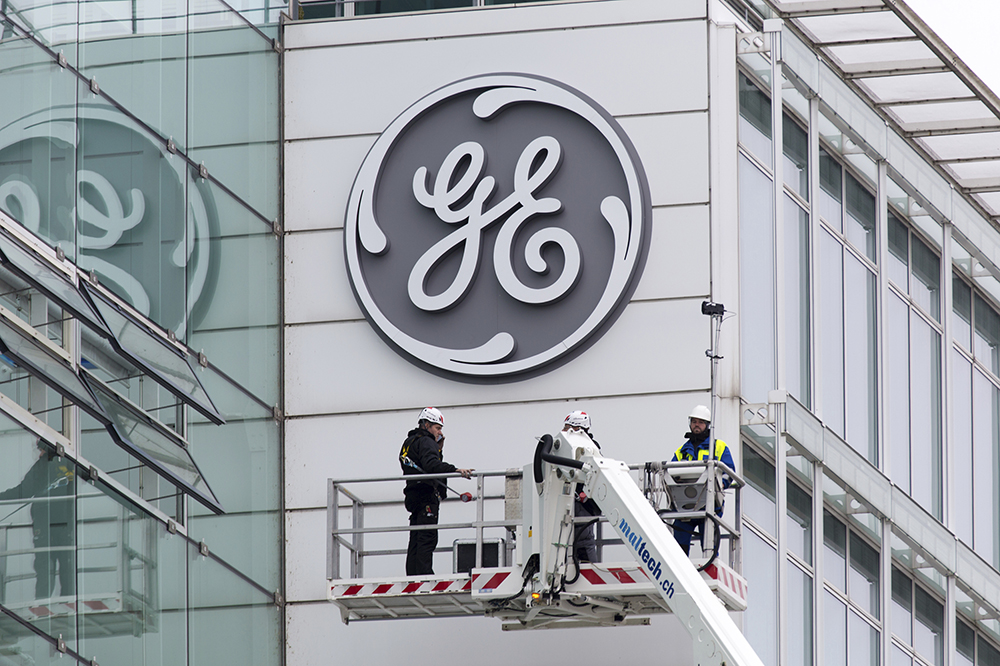
We could have called this one “The GE Issue,” as the topic is much on the minds of developers and real estate agents alike. While agents predict the move of 200 top GE officials from Fairfield to Boston won’t drastically disrupt the county’s market – spread out as they are over several towns in the area – economists point out that it’s all part of a larger trend.
Connecticut’s housing market stuttered along in 2015, as prices dropped throughout the year and the number of homes sold climbed. It is one the most “moved-out-of” states in the nation, coming in at No. 4 in Business Insider’s “outflow” analysis for 2015; another 200 people, and potentially their families, leaving in 2016 will likely see it jump up the list.
What’s happening in Fairfield is happening all over the country. Suburban office parks are out; live-work-play is in. Long commutes in the car are out; short hops on public transit are in. Four-bedroom houses on corner lots with a picket fence are out; hip downtown condos are in.
Boston has cannily positioned itself to capture the companies for which Millennials want to work. The Seaport District, rebranded as the “Innovation District” by the late Boston Mayor Thomas Menino, has exploded as a commercial hub. Developers, workers and residents alike were skeptical when Menino unveiled his plan to turn the backwater into a thriving neighborhood. Now the area is home to new high-rise headquarters for companies with worldwide brand recognition. Dozens of downtown condos are being built every day – most of them luxury units those Millennials likely can’t afford, but their bosses can.
The city’s aging infrastructure – to which a lot of lip-service is paid, but very few changes made – is a blight on an otherwise world-class city. But even an aging public transportation system is better than none.
On the commercial side, GE’s move opens up 526,000 square feet of office space – and it’s not the only about-to-be vacant corporate compound. Massive office complexes scattered across the state are being repositioned in an attempt to lure businesses to, and keep them in, a state with a setup that caters to a workforce long since retired.
It’s all part of a pattern – young workers want to live close to where they work, and they want to live in vibrant, interesting, multicultural neighborhoods. They are mobile and unfettered, looking for locations with lots of opportunity, in terms of both employment and leisure.
Connecticut suffers from a number of true and difficult economic woes, but it also suffers from an image problem. Outsiders think of it as a stuffy state with depressed cities and far-flung suburbs where nothing much happens. It has the potential to be much more, though, if it can find someone like Menino – the man’s vision was sometimes faulty, but always lofty – and get to work on creating appealing, safe, innovative pockets in its cities. The state needs to find its own modern identity and way forward, and there’s no time like the present.

