




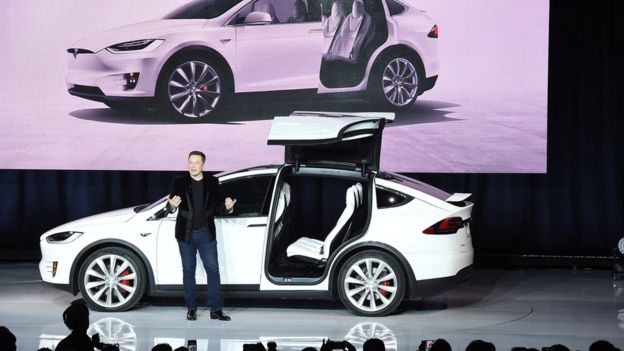
Despite Tesla’s claims to the contrary, Superior Court Judge Joseph Shortall agreed with the state Department of Motor Vehicles that the company is illegally selling its cars out of its Greenwich gallery.
The electric car maker sued the DMV in June 2017 after the department reached the same conclusion regarding the sale of vehicles without a dealer license. The DMV took up a complaint filed by the Connecticut Automotive Retailers Association (CARA), which represents car dealerships in Connecticut.
Connecticut state law prohibits the direct sale of vehicles to consumers by manufacturers. It currently requires sales through a franchise dealership license.
Tesla doesn’t believe its gallery activities require such a license.
In court documents, Tesla maintained that it “does no more at the gallery than display example vehicles, educate consumers about them and promote their benefits, and explain how consumers may lawfully purchase them online or at licensed Tesla stores in other states.”
Shortall wrote the electric car maker goes beyond constitutional free speech claims.
“Tesla travels far beyond the boundaries of constitutionally protected commercial speech when its employees arrange for test drives of the same type of vehicles as are on display at the gallery, assist gallery visitors in configuring the vehicle they wish to buy on a computer terminal in the gallery and saving it to the Tesla website as ‘My Tesla,’ available for later purchase, and/or searching the Tesla inventory of vehicles already manufactured and available for purchase,” Shortall wrote.
Despite not being able sell in Connecticut, there were about 1,600 Tesla vehicles registered in the state this past spring and 3,000 orders have been placed by Connecticut residents for the Model 3, a company spokesperson has said.

