




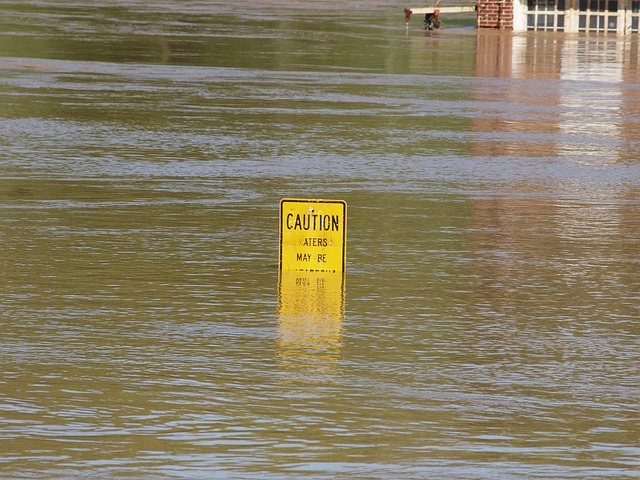
A new report from the Urban Land Institute and real estate investment firm Heitman has found that risks generated by climate change are increasingly becoming a factor in real estate investors’ decision-making.
Local market climate risks, such as wildfires, increasingly frequent and intense storms and sea-level rise, are now core factors in many investors’ decision-making, the report says.
Exact weighting of climate risk varies from investor-to-investor, however. Certain investors revealed they were starting to pull back from investment in some local property markets due to lack of climate resilience, while others are not.
Globally, there were 40 disasters in 2019 that resulted in at least $1 billion in near-term, direct losses each – part of an upward trend of billion-dollar disasters. Worldwide losses from extreme weather events from 2010-2020, some on a smaller scale, totalled over $3 trillion, ULI said.
“The most climate-aware investors are increasingly taking a hard line on local climate risk,” ULI CEO Ed Walter said in a statement. “They are looking beyond the individual asset and assessing a city’s preparedness for climate change, but the models and metrics they need are still in their infancy. Benchmarking cities for climate risk and resilience is a challenge and I anticipate significant progress from the industry on obtaining this much-needed data.”
To date, the majority of the financial impacts of climate change have been mitigated by the operation of insurance, disaster relief, and public sector accounting conventions.
Investors surveyed for the report raised an acute need for better data and frameworks to make market-level impacts transparent and allow benchmarking between markets. In the context of accelerating climate change, information about city-scale risk and resilience is needed for the impacts to be understood and incorporated into decision-making. Real estate investors were increasingly keen to understand the physical risks facing a city, the adequacy of existing infrastructure in the face of climate change, the planning and financing of new resilience infrastructure and capacity of city governance to manage risk.
“Due diligence screens must incorporate the accelerating risks posed by climate change, fiscal policy constraints and critical infrastructure investment, repair and replacement,” Heitman CEO Maury Tognarelli said in a statement.
In the context of the unprecedented challenges the world faces today, the report warned that the global COVID-19 crisis, and the stress it has placed on local governments, could undermine responses to climate risk by diverting funding earmarked for resilience infrastructure. While investors surveyed recognized the need for temporary diversion of resources for COVID response, they cited a need for additional funding sources to develop adequate resilience infrastructure.
This information about city-scale risk will also help city governments to create a more robust business case for major resilience measures, report authors said, alongside more transparent accounting for the actual costs of catastrophic climate events. The economic benefits of resilient infrastructure projects include job creation and retention, preservation of the tax base and avoided losses.

