




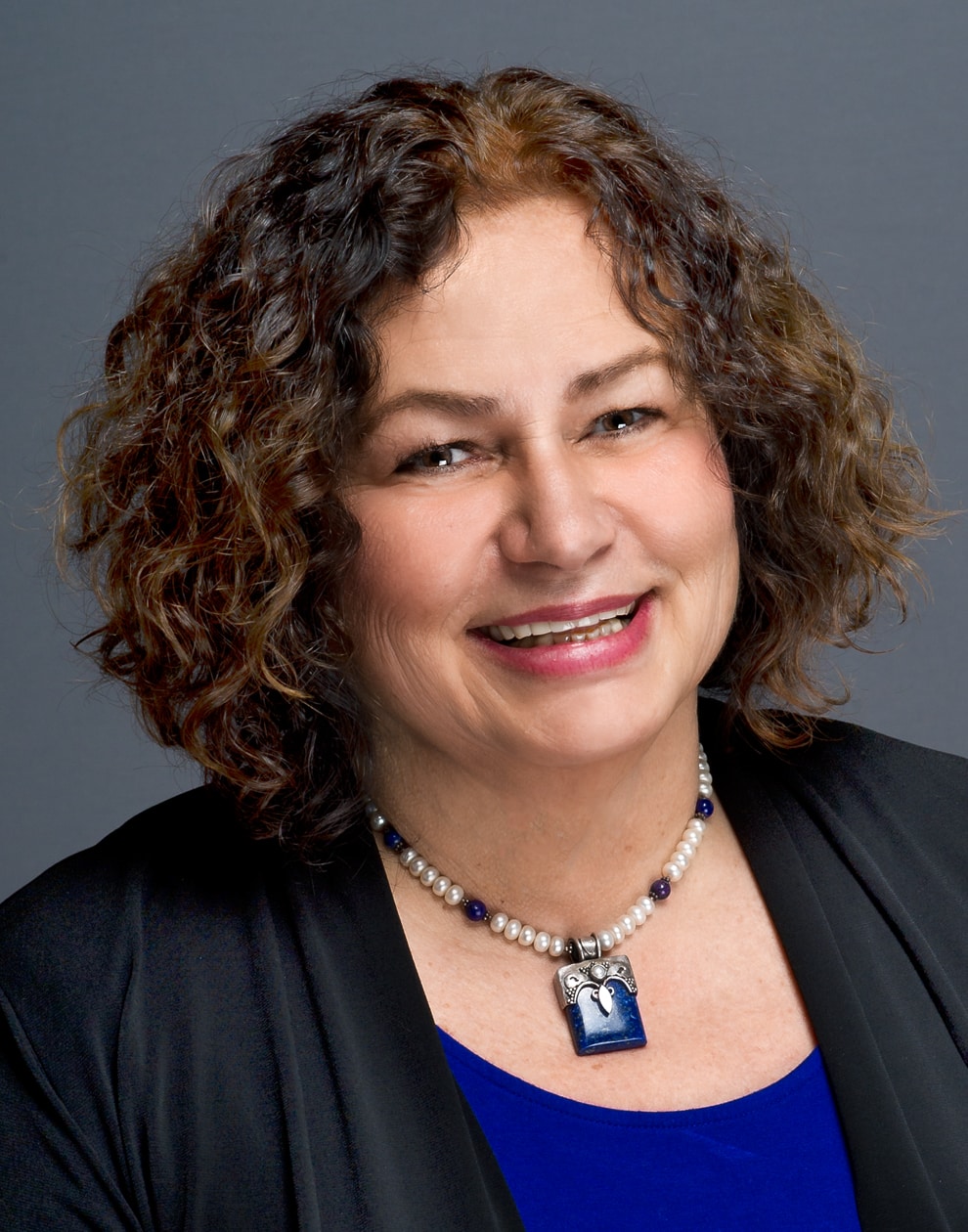
Before Kathy Chartier took her first credit union job in 1984, she did not know what a credit union did. Three years later, she joined what was then called the Greenwich CT Teachers Federal Credit Union, becoming the 50-year-old organization’s first full-time employee. She has led the institution ever since, including through a conversion to a community credit union 20 years ago and a new name – Members Credit Union.
Based in the Cos Cob neighborhood of Greenwich, Members Credit Union has $34.8 million in assets and 3,200 members, including many Latinx immigrants. The credit union in 2017 obtained the Juntos Avanzamos (Together We Advance) designation for credit unions providing outreach to Hispanic communities. Then this fall, Members Credit Union received a $125,000 grant from the U.S. Treasury Department’s Community Development Financial Institutions Fund to install an ATM in Stamford, where many immigrant members are based but where the credit union no longer has a branch. Then a few weeks ago, Chartier learned that the credit union had received approval to become a CDFI.
Q: Before the pandemic, what role did the Juntos Avanzamos designation have with your membership?
A: Back when we became a community credit union, we opened an office in Stamford in a really low-income part of town, and that’s when we understood that we wanted to do this outreach. We started hiring more Spanish-speaking staff. We had been going in that direction for a really long time, but we didn’t have any way that we were letting people know that.
When the Juntos Avanzamos designation came around – it started in Texas but then spread throughout country – I knew that we wanted to be there some day. Once we got the designation, it let the community know that we’re there to serve people who are immigrants whether they are new to this country or not, that we have staff that serves them and documents that serve them.
I don’t think we’ve changed our operation very much, except for probably the ratio of members from that community because now they’re aware that we’re here. It gives them a level of trust. Many immigrants when they come to this country, especially Hispanic immigrants, come from countries where the banking system couldn’t be trusted.
Q: How have your Hispanic and immigrant members been affected by the pandemic?
A: Mostly negatively. Most of our members who are new immigrants work in service industries. They work at restaurants or do house cleaning, babysitting or landscaping. They’re self-employed, they’re paid in cash, and because of the way pandemic hit, they were laid off quickly. Most of them didn’t have any opportunity to collect unemployment.
We also serve people with ITINs [Individual Taxpayer Identification Numbers], who are undocumented. They didn’t receive any stimulus checks, and they weren’t eligible for benefits. It hit them much harder than it hit other groups. They live in close quarters. Many will share an apartment, so they got more sick than our other membership. Just about every day we have someone call and say they have the virus. It became a real struggle for these people just to feed their families and make sure they could stay in their apartments. It got a little better for most of them over the summer as things eased up and the restaurants opened back up. They had jobs, but now we’re seeing [the pandemic] go the other way.
Q: What has the credit union been doing to help these members?
A: When it started, right away we jumped in. We didn’t do PPP loans – we’re too small for that – but we did emergency loans for our members. In the beginning, we gave members up to three months’ skip-a-pay. Now, with the virus coming back around again, we’ve expanded that to six payments in case people need it again.
I also was able to obtain a couple of grants that helped us help our members. One was from the National Credit Union Administration that gave us $10,000 to help our ITIN members with their loan payments. We applied that evenly over our group of members that had loans. Our corporate credit union, Alloya, gave us a grant for food cards that we have been giving to people that we know are struggling more than others. It’s not solving their problems, but at least it’s a little bit that might carry them through. We can say that we’re there for them.
We’re all certified financial counselors, so we’re able to keep in touch with them and help them as much as we can through this whole process. We’re doing as much virtually with them as they can so they don’t need to come into the office.
Q: What more could be done to help immigrant and underserved communities?
A: First of all, the immigrant population and low-income people are taken advantage of – and I’m not just talking banks, but all kinds of lenders out there. We have people come to us, they’ve got perfect credit, and they are being taken advantage of on car loans and other types of loans, if they’re able to get loans at all. They should have received the best rate like anybody else, but they don’t. We’re taking loans that people have at 16 or 17 percent and putting them in at 2 or 3 percent where they should be and saving them thousands of dollars.
It’s good for us, and the people who come to us, but it’s not fair to the people who have nowhere else to go. I think that people, whether or not they’re documented, if they have an ITIN and they’re working and they’re paying their taxes, they should get something in return for that.
Q: How will the ATM in Stamford help your members?
A: Most of our members in Stamford are paid in cash, which is why we asked for the ATM. Ironically, since the Juntos Avanzamos designation, more members are coming from Stamford than are from Greenwich, which is why we need to have a way for them to be able to deposit their money without coming to the office.
Q: Why did you apply to become a CDFI?
A: The reason we wanted our CDFI is it shows a level of commitment that I think is really important. It will bring us more opportunities to be able to look at services that we can’t offer now – including business lending or mortgage lending – in the future. This is really huge for us – and exciting.
Chartier’s Five Favorite Places to Volunteer
- The Caribbean, especially Trinidad and Tobago
- Scotland
- Kenya
- Philippines
- Peru

