




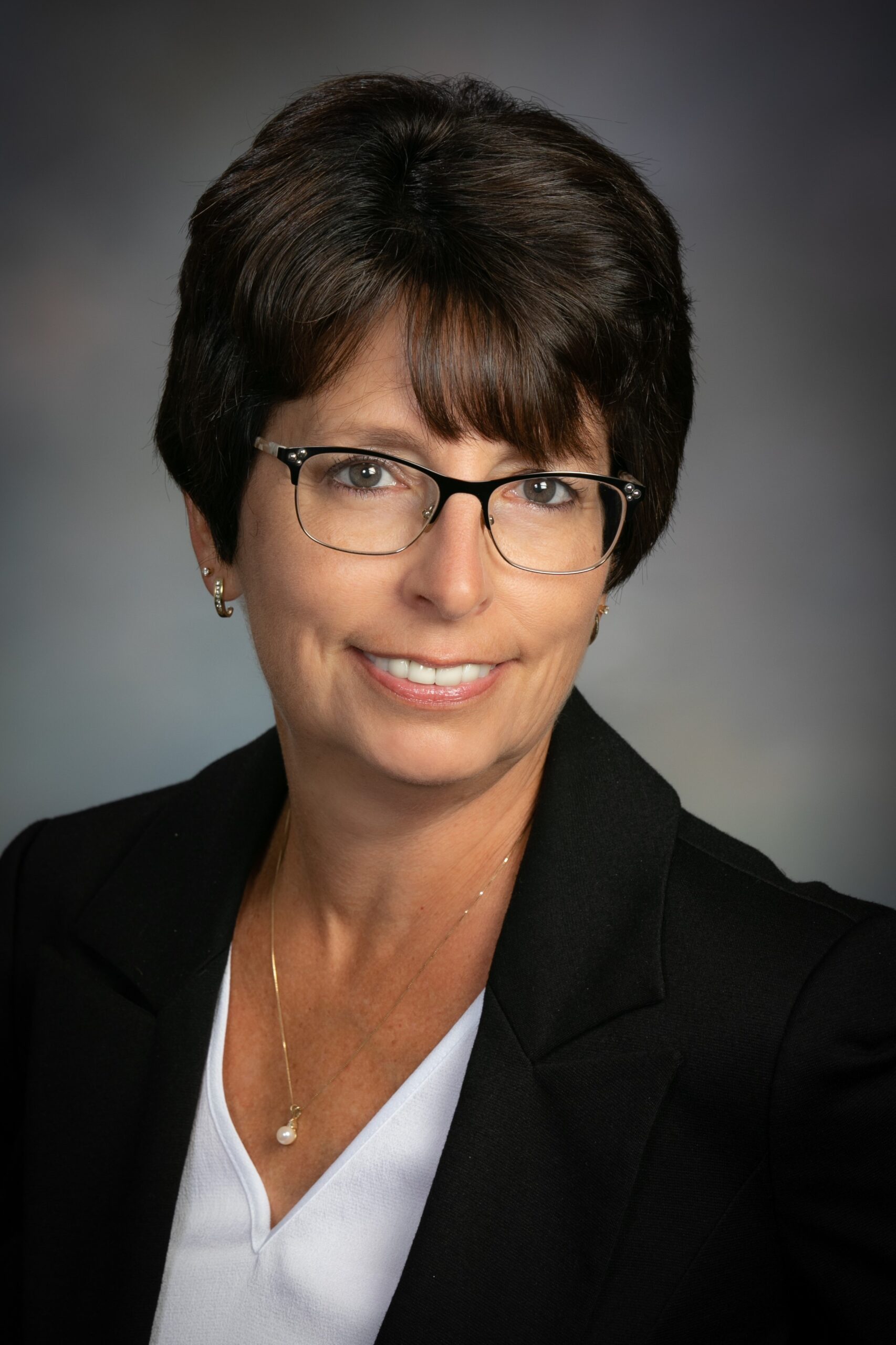
Photo courtesy of Essex Savings Bank
Diane Arnold
President and CEO, Essex Savings Bank
Industry experience: 42 years
Age: 61
Essex Savings Bank is shortening its name to Essex Bank, a change that President and CEO Diane Arnold reflects that the bank has become more than a place for individuals in Connecticut to store their savings.
In addition to the name change, Essex Bank will launch a new website featuring resources for customers to gain further financial education along with customer success stories. The branding and website are being done in partnership with WORX a Connecticut-based firm.
The changes also come as Essex prepares for its 175th anniversary in 2026.
Q: What drove the decision to have this brand refresh, and how did you come to tinker with the name?
A: So really it started as we were talking about our 175th anniversary and what that meant to us. How do you stay relevant being 175 years old? You obviously want to lean into your history and at the same time be relevant for the future generations. So we started that conversation and when we looked at who we are today, we realized that 175 years later, we are so much more than just a savings bank, and that really drove the decision, as we’ve been calling it, drop our middle name and go from Essex Savings Bank to Essex Bank.
We do a lot of commercial business. We also have a trust department that has about close to a billion dollars in assets under management and Essex Financial Services, our wealth management company that’s our subsidiary. They’ve got about $3.8 billion assets under management on any given day with this market. So, when we look at who we are as a whole, we just felt that it was much more reflective to drop the savings.
Q: How do you plan to make Essex Bank stand out and be relevant compared to other institutions?
A: I think one of the biggest things for us is how much we focus on relationships, building relationships with our clients. That happens right from the teller line. That’s how we stay relevant. We have a lot of very long tenured employees here at the bank, so those relationships become solid. We don’t have the high turnover rates that maybe you see in some of the bigger institutions and I think that’s certainly helpful in building that. There definitely are people in the community that want to work with a community bank, and don’t necessarily want to be just a number at a large institution.
Q: Why did you feel it’s important to maintain the logo and not change that as well?
A: That helps us lean into our history. We’re not trying to eliminate those past 175 years, and I think our logo is very reflective of who we are, where we started. So we thought that was really important and it’s important for the community to know that we’re not changing who we are. We’re still a mutual bank, and we’re still the same Essex Bank that they have been dealing with for many generations. So it was important for us not to make a wholesale change there. That was never the point. The point was really just to make our name a little bit more reflective of who we are today.
Q: When you look at the future of banking you have this backdrop of lots of consolidation. How do you feel community banking will deal with those pressures?
A: Personally, I think there’s always going to be a niche market for community banks. It’s definitely not easy, because technology, obviously is very expensive, so keeping up with some of that and the regulatory environment – those have probably been the biggest challenges for community banks. But as I said, there certainly is an ample population of people that want to have a relationship with their bank, and that’s where the local community banks come into play, and that’s both individuals and businesses.
Q: What can institutions do to work together to stave off some of the larger names in the banking business?
A: We don’t have a plan to form a mutual holding company. We don’t have one currently. I know some of the other mutual banks in the state have gone that route. That’s not on the horizon for us at this time.
I think you just have to continue to be vested in your community, you know, offer the products and services that your customers want. And again, I think there’s a place for us. We do do just as a little bit of an aside, but in the commercial landscape, we do do participation loans with other community banks in the state, and that does help all of us kind of get our share of the business that might otherwise go only to larger institutions.
Q: Looking ahead to the future, just how do you think banking will continue to evolve and just how do you meet the needs of modern customers?
A: That’s a really difficult question to answer, because the world is changing so incredibly fast. So, do I think banking 175 years from now will look like it does today? Absolutely not. I’m not sure I know what it’s going to look like five years from now, frankly, with some of the changes that are happening. But I think that any bank to stay relevant has to keep up on technology and the trends in technology and mobile banking and all the things that go around that.
Technology is very important and very widely used, at the same time, we still find that not everybody wants to do everything electronically. So I do still think there will be a place for physical branches. We’re not looking to change our number of branches. We have six branches right now. We plan on keeping those six branches. We’re not really looking to expand that at the present time either. I think we’re a good size for the market that we serve.
Arnold’s Five Favorite Vacation Destinations
- Aruba
- St. Martin
- Cape Cod
- Charleston
- Coecles Harbor

