




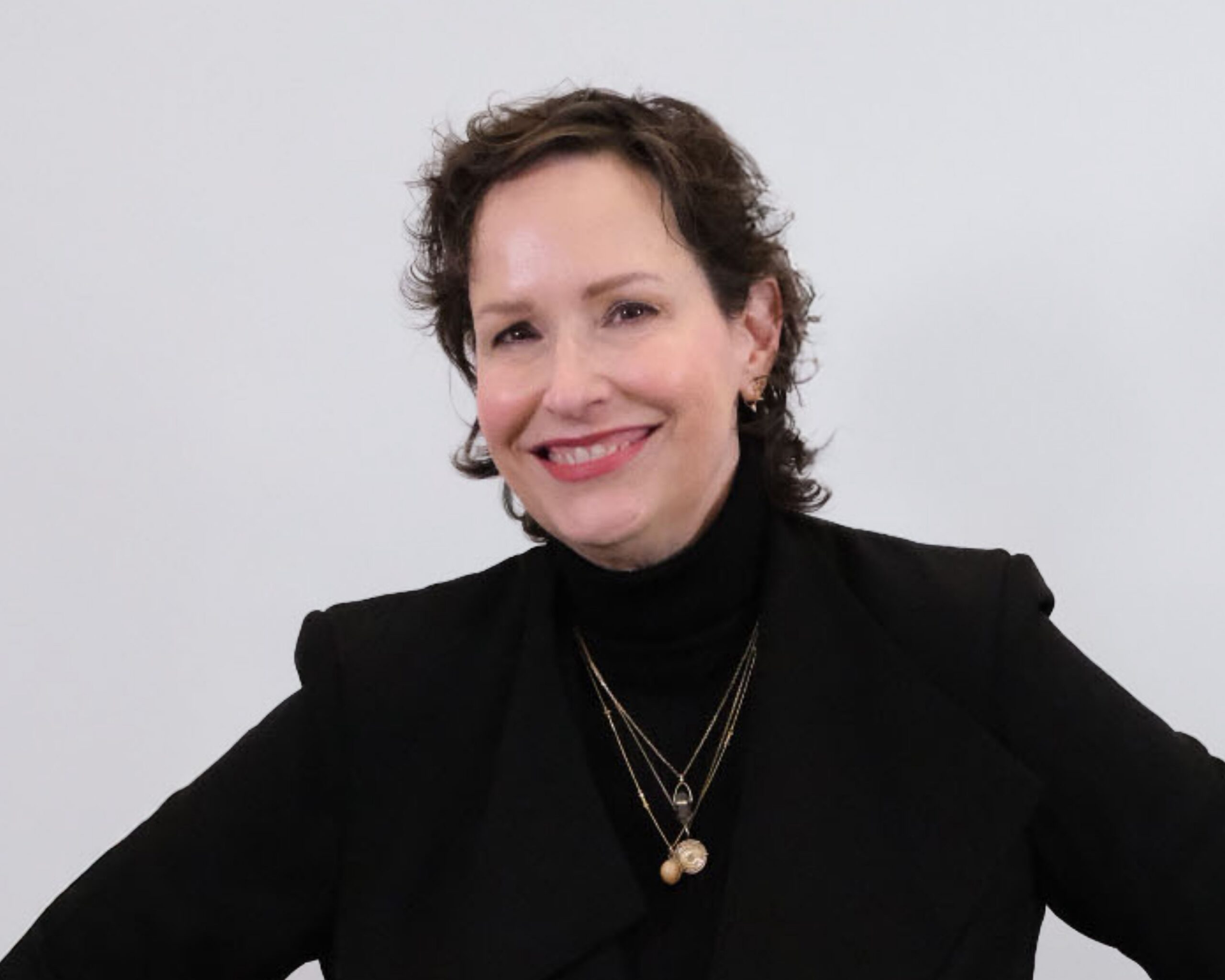
Photo courtesy of Shepley Bulfinch
Cathleen Lange
Principal, Shepley Bulfinch
Age: 64
Industry experience: 40 years
As Cathleen Lange retires as a principal at architects Shepley Bulfinch, she caps her career with one of Connecticut’s most notable healthcare projects of the past decade. The Adams Neurosciences Center, a 204-bed inpatient tower including research, medical education and clinical care, is nearing completion at Yale New Haven Health’s Saint Raphael campus. Over a four-decade career in architecture – the last 26 years at Boston-based Shepley Bulfinch – Lange also has left her mark on a wide range of facilities in the Nutmeg State, including previous projects at Yale New Haven Hospital and an outpatient facility for Bridgeport Hospital in Trumbull.
Q: How does the Adams Neuroscience Center change how Yale New Haven Health delivers services?
A: Yale New Haven Hospital has these two campuses that are about a mile apart: the York Street campus has always been the mother ship. And then they acquired the Saint Raphael [in 2012]. It had some buildings that could come down in a rather easy fashion, some old 1- and 2-story buildings. So there was space to build. And in the acquisition they gained beds, but they needed more beds. And it was also a great opportunity to put a true center of excellence of this flagship program on the Saint Raphael campus, and it was decided that that would be neuroscience. The great majority of those services will be in this new building.
Q: How are hospitals shifting their real estate priorities because of outpatient facility growth and telemedicine?
A: The suburban piece with the outpatient centers has been happening for years now. It’s just so much more convenient for patients, staff and cost effective for systems. It makes a lot of sense, so that will just keep increasing. And then telemedicine: the truth is, telemedicine doesn’t change the size of a project much. It’s just built in from day one, and it’s really considering the needs of these providers as well as patients. What does a physician need to conduct a telemedicine phone call? They need a space, but it could be a consult room that does double duty. So it may add some square-footage to a project, but I haven’t seen that it’s significant at all. It’s really allowing for the technology: the screens, the cameras and then in the future, the other types of technologies that will be coming down.
Q: What other new technologies will come with space planning requirements?
A: We’ve seen robots for years, little robots carrying medicines from point A to point B. But it appears that there’s going to be a lot more of them doing all sorts of things: the big robots, let’s say in support services, moving massive amounts of supplies around on floors where patients do not go, and then on the patient floors, the much smaller robots that would not intimidate somebody in a corridor. The design of these facilities just has to be very flexible. We don’t know how big these things are going to be. We don’t know exactly what they’re going to do on day one, and that will be different than what they do in year three. And this allows the clinician, especially the nurse, to spend more time at the bedside doing what they’re trained to do: serve the patient.

Designed by Shepley Bulfinch, the new Adams Neurosciences Center at Yale New Haven Health’s Saint Raphael campus is a 204-bed inpatient tower including research, medical education and clinical care. Image courtesy of Shepley Bulfinch
Q: Are healthcare facilities upgrading their security infrastructure as part of their facilities planning?
A: Yes, definitely. The challenge is how to upgrade that security without looking like a courthouse, for example. It wants to be invisible. And that is possible. At one of our new projects in Texas, this hospital is going to have sensors everywhere. So as soon as you enter that facility, they’re going to know that you have arrived, and they’re going to know where you are. It allows them to collect an awful lot of data that will be helpful in the future: tracking patients, tracking movement: their time spent in certain clinics. They’re all thinking about it, but in different ways.
Q: What are the biggest changes in healthcare design in your career?
A: The speed of delivery is unbelievable. The time we used to have for design is so compressed. Otherwise, it is the attention that’s now paid to patients and families. It was always considered, but now it is front and center. What’s become increasingly important in the last five years is staff. COVID allowed hospitals to realize the importance of mental health, and providing amenities and dedicated spaces for staff. Whether they have a 5-minute break or a half-hour break, making sure staff have that opportunity, and access to natural light as well, which isn’t always the case.
You have to understand how providers and clinicians function in a healthcare environment in order to have a successful project. It’s just asking the right questions. It’s understanding that flow
in those operations. That would be important in any project, but in healthcare, you have the patient and the family. That’s the huge differentiator. No matter what we’re doing, we’re constantly thinking about what they’re going through. And in other cases, trying to make their visits as comfortable as possible: how they get around, how they get from A to B, how they even park their car. For many of these people, it’s a stressful situation. You may not be thinking clearly. And there are just a lot of these little things you could do to make their visits easier and more pleasant.
Lange’s Five Favorite Songs:
- For when I’m feeling wistful: “Wish You Were Here” – Pink Floyd
- For when I’m feeling emo: “Love Will Tear Us Apart” – Joy Division
- For when I’m feeling sad: “The Long Walk Home” – Glen Campbell/Hope Sandoval
- For when I’m feeling nostalgic: “California Dreamin’” – The Mama’s and the Papa’s
- For when I want to hear something incredibly beautiful: “O Mio Babbino Caro” – Puccini’s Gianni Schicchi

