




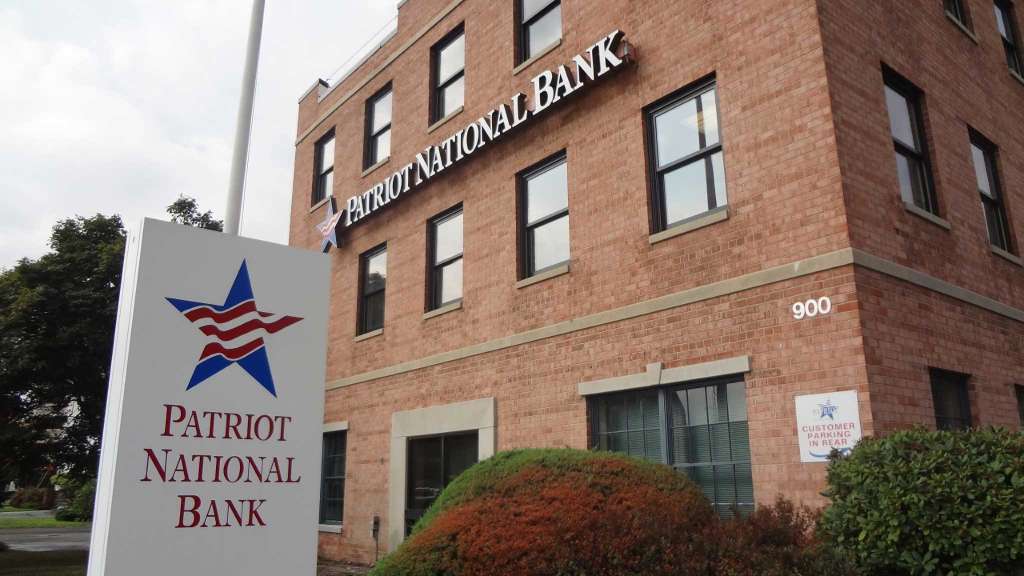
Courtesy photo / File
Patriot Bank is now free from enforcement actions initiated by The Office of the Comptroller of the Currency and says it wants to grow its assets by around $700 million.
The federal banking regulator found the Stamford-based bank had “unsafe or unsound banking practices” and broke banking laws and regulations. These errors were related to strategic planning, capital planning, Bank Secrecy Act/anti-money laundering, risk management, payment activities oversight, credit administration and concentrations risk management.
The enforcement actions called on the bank to create a compliance committee to report on the corrective actions the bank was taking. The OCC also wanted the bank to submit a strategic plan. Additionally, the bank was required to meet specific capital levels.
“This important milestone is a testament to the terrific team Patriot Bank has assembled to build America’s premier bank serving high-net-worth families,” Patriot Bank President and CEO Steven Sugarman said in a statement last week. “The termination of the Formal Agreement will result in immediate benefits for our shareholders through reduced regulatory costs and fees. Our team will continue to be laser focused on expanding our deposit franchise across key markets throughout the country.”
Sugarman wrote in a letter to stockholders that since the beginning of 2025, expenses related to addressing the bank’s formal agreement with the OCC totaled over $5 million dollars.
In the same letter, Patriot Bank noted that it aims to grow its total assets to $2 billion. The bank currently has $1.3 billion in total assets. The bank also reported that new loan origination has exceeded $40 million per month, with an average yield of approximately 7 percent.
“We also expect our new regulatory status to result in significant reductions in our regulatory and FDIC fees, improved access to wholesale funding at more favorable terms, a return to the primary credit window at the Federal Reserve, and greater flexibility to utilize reciprocal deposits and brokered deposits,” Sugarman’s letter said.

