





COVID Surge Drives Banks, Credit Unions to Close Lobbies
With the surge in coronavirus cases continuing, some Connecticut banks and credit unions have once again started shutting down their lobbies.
With the surge in coronavirus cases continuing, some Connecticut banks and credit unions have once again started shutting down their lobbies.

The economic problems caused by the COVID-19 pandemic and social unrest sparked by racial injustice shows the need for national politicians to take housing issues seriously, a new report by prominent Harvard University housing scholars says.

One of the scientists behind the experimental coronavirus vaccine developed by BioNTech and Pfizer said Sunday that he was confident that it could halve the transmission of the virus, resulting in a “dramatic” curb of the virus’ spread.
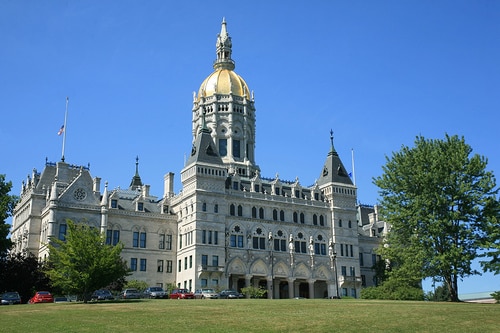
Gov. Ned Lamont says he has no current plans to bring back additional restrictions on the state’s economy even as cases of COVID-19 continue to surge in Connecticut and across the nation.
Gov. Ned Lamont is self-quarantining after his chief spokesperson tested positive for COVID-19, his administration announced late Friday.

Massachusetts pharmaceutical company Moderna said Monday its COVID-19 vaccine is proving to be highly effective in a major trial, a second dash of hope in the global race for a shot to tame a resurgent virus that is now killing more than 8,000 people a day worldwide.
Connecticut residents now have a state-backed option to keep tabs on whether they may have been exposed to someone with COVID-19.
Republicans controlling the Senate unveiled a government-wide, $1.4 trillion spending bill on Tuesday. However, half the bill’s spending would go towards existing defense procurement programs.
Connecticut saw a spike in coronavirus-related hospitalization over the weekend, filling about half of the state’s available COVID-19 beds in intensive care units, Gov. Ned Lamont said.
Pfizer and its partner BioNTech announced Monday morning that its vaccine candidate was more than 90 percent effective in preventing COVID-19.
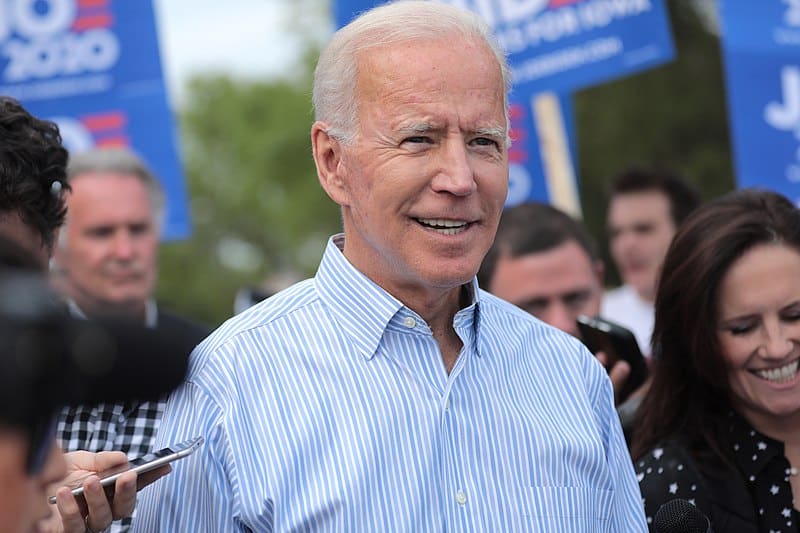
President-elect Joe Biden will inherit a mangled U.S. economy – one that never fully healed from the coronavirus and could suffer again as new infections are climbing.
Connecticut residents were being urged Thursday to limit any nonessential trips between 10 p.m. and 5 a.m. to help reduce the spread of the coronavirus, a move that comes as the state starts rolling back portions of the third phase of reopening.

U.S. manufacturing posted a strong gain in October to the highest level in two years even as coronavirus cases have begun to surge again in many parts of the country.
Gov. Ned Lamont said he is allowing leaders of cities and towns with surging numbers of coronavirus cases to roll back reopening plans, and hinted more business restrictions could be coming.
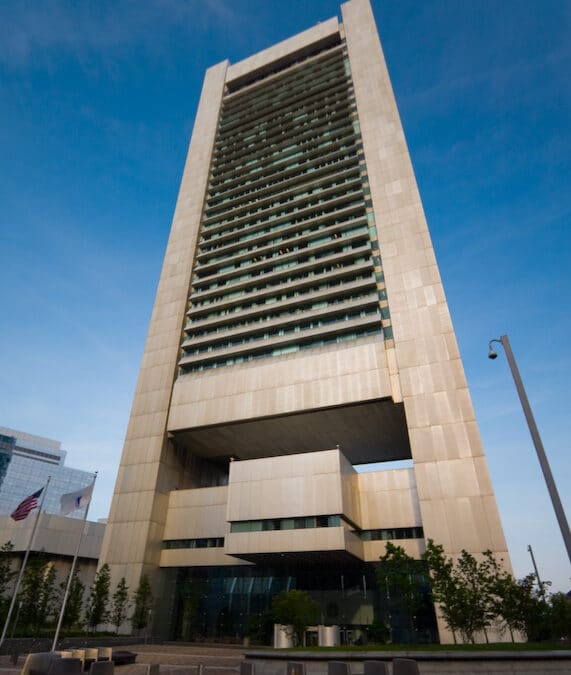
In a move aimed at reaching more small businesses, the Federal Reserve Board has reduced the minimum loan amount for the Main Street Lending Program.

The U.S. economy grew at a record 33.1 percent annual rate in the July-September quarter but has yet to fully rebound from its plunge in the first half of the year – and the recovery is slowing as coronavirus cases surge and government aid dries up.
Govs. Ned Lamont announced that travelers from Massachusetts must self-quarantine for 14 days after arriving in Connecticut.

Economists worry that the United States risks repeating a mistake made after the 2008-2009 Great Recession, when limits on federal spending and layoffs by states and localities hindered a recovery.
Eight more communities, many in southeastern Connecticut, were identified Thursday by state public health authorities as “red alert towns” after their daily rates of new COVID-19 infections surpassed 15 per 100,000 people since last week.

