





Poll: Nearly Half Say Job Lost to Virus Won’t Return
Nearly half of Americans whose families experienced a layoff during the coronavirus pandemic now believe those jobs are lost forever, a new poll shows.
Nearly half of Americans whose families experienced a layoff during the coronavirus pandemic now believe those jobs are lost forever, a new poll shows.

With the rise of coronavirus cases across the U.S. this summer, especially in southern and western states, the American Bankers Association has recommended that banks require anyone entering a branch to wear a face mask.

Connecticut is adding teeth to attempts to prevent COVID-19-infected travelers from reigniting the pandemic here.
Dr. Scott Gottlieb, former commissioner of the U.S. Food and Drug Administration, said Thursday it will be “challenging” for his home state of Connecticut to continue maintaining its current, relatively low COVID-19 infection rate by this coming fall and winter, considering the large amount traffic in and out of the region.

The Federal Reserve Board has modified the Main Street Lending Program to give nonprofit organizations, including educational institutions, hospitals and social service organizations, access to the program. Two new loan options are now available to certain nonprofit organizations that were in sound financial condition before the pandemic.
The first COVID-19 vaccine tested in the U.S. revved up people’s immune systems just the way scientists had hoped, researchers reported Tuesday – as the shots are poised to begin key final testing.
Connecticut’s chief epidemiologist said Monday he expects there will eventually be a resurgence of COVID-19 in the state, but the severity will depend upon how much people continue to practice social distancing measures, such as wearing masks and avoiding large groups of people indoors.

Under an executive order issued yesterday, Gov. Ned Lamont’s $33 million relief fund for renters and homeowners unable to pay their rent or mortgage thanks to the COVID-19 pandemic will last for six months.
Restaurants, lawyers, physicians, dentists and real estate agents were among the top recipients of Paycheck Protection Program loans in Connecticut, according to data released Monday by the U.S. Small Business Administration and Treasury Department.
Bridgeport-based People’s United Bank processed the most Paycheck Protection Program loans in Connecticut, according to data released by the U.S. Small Business Administration.
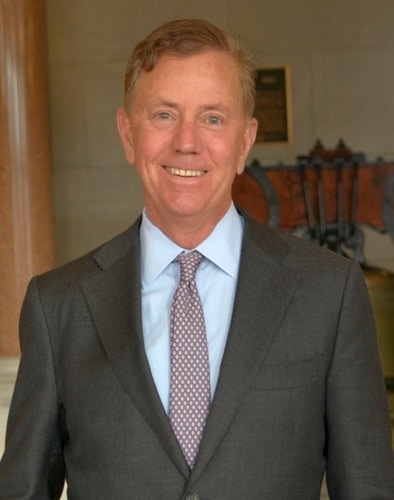
Gov. Ned Lamont, a businessman-turned-politician, mid-way into his first term, did what felt natural when he faced the prospect of large numbers of coronavirus infections spreading from neighboring New York into his state.
New York, Connecticut and New Jersey asked Wednesday for travelers from states with high coronavirus infection rates to go into quarantine for 14 days in a bid to preserve hard-fought gains as caseloads rise elsewhere in the country.

The coronavirus pandemic had an early effect on Connecticut’s FDIC-insured banks, with first quarter earnings falling while total assets, loans and deposits saw some increases.

Gov. Ned Lamont issued a new executive order Tuesday night allowing the state’s hotels to resume operation.

After pleading with tribal leaders to not reopen and even raising the possibility of pulling their state-issued liquor licenses, Gov. Ned Lamont ultimately settled for ordering state transportation workers to put up the signs.

Following last week’s passage of legislation to give businesses more flexibility in how they use their Paycheck Protection Program loans, the Treasury Department this morning said the government would updates to the regulations governing the program.
A stronger than expected jobs report could further scramble an already uncertain picture for passing a fifth and possibly final coronavirus aid bill. The positive statistics are feeding the wait-and-see approach of the White House and its GOP allies in Congress.

Stamford-based First County Bank’s charitable foundation will donate $50,000 to Fairfield County shelters and food pantries in an effort to support nonprofits impacted by the COVID-19 pandemic.
When determining eligibility for unemployment benefits, Connecticut’s Department of Labor is now allowed to consider whether returning to work during the cononavirus pandemic would pose an “unreasonable risk” to a person’s health or the health of their household.

