




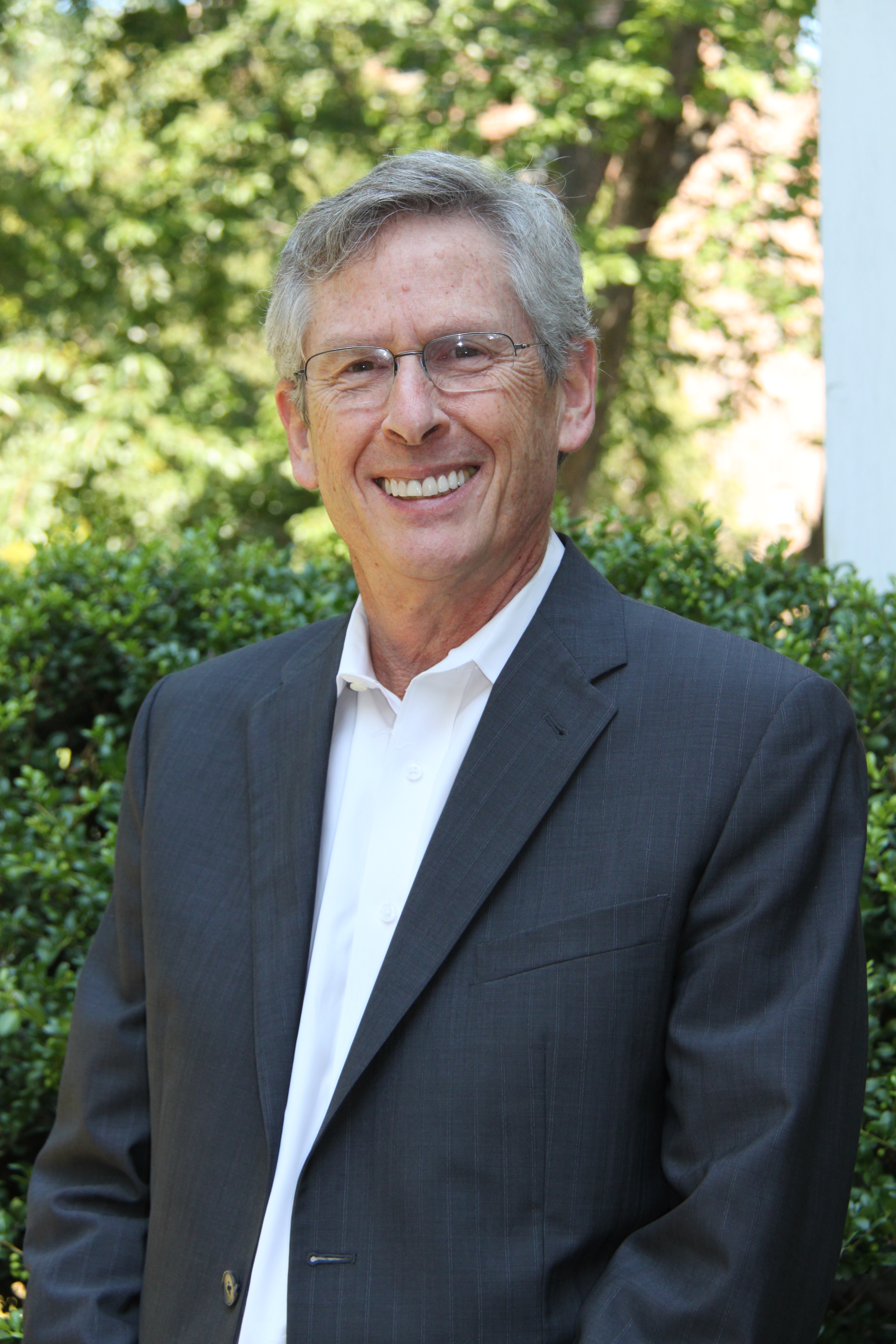
Name: David N. Rosen
Title: Attorney, David Rosen & Associates, P.C.
Age: 72
Experience: 47 years
You may recognize David Rosen’s name from the recent class action lawsuit filed against the developer charged with letting a New Haven housing development fall to ruin to force out tenants. Or from the recent ruling out of the state Superior Court that found Connecticut’s educational system failed to meet the standards set by the state’s constitution. He’s come a long way since he began his education at Harvard College and later Yale Law School, and Rosen admits he didn’t know exactly what he wanted to do from the start. But he was certain of two things: “helping individual people and trying to turn the wheel of justice just a little bit in the right direction.”
Q: Can you talk about a few of the cases you’ve worked on over your career that you really felt proud to be a part of?
A: In a way, I started at the top because I was the junior lawyer for the chairman of the Black Panther Party, Bobby Seale, in a murder trial in New Haven that attracted enormous attention.
After that, I hung out my shingle and something that I count as a career accomplishment was representing racial minorities and also women in a series of class action cases aimed at integrating public services in Connecticut. This included cases against fire departments and several cities, the state police and the state department of corrections. And the fact that when we started, those agencies were pretty close to lily white, and then became and for the most part have remained much more reflective of the communities they serve is something that I think was a good use of my time and talents as a lawyer.
I’ve also argued two cases in the United States Supreme Court, one involving the rights of mothers of children on welfare and the other involving free exercise of religion rights of a public school teacher, and the opportunity to argue those cases and to engage in real conversations with the justices of the Supreme Court was remarkable to me.
I’ve also gotten wonderful experience with clients whom I have tried to help when they or their family members suffered terrible physical injuries or even death at the hands of either a public agency or a corporation. Representing families of victims of wrongful death has been a powerful experience for me and the opportunity to get them what justice our society can provide has been personally gratifying.
And representing the families in Church Street South combines for me the opportunity to help people who have the least power of almost anyone in our society exercise this wonderful democratic power that our legal system provides to give equal justice to rich and poor alike. That is an aspiration, probably not a complete reality, but to the extent that I can make it more real, I believe I’m doing what I should be doing.
Q: You have also been involved with the Connecticut Veterans Legal Center and the We the People Project. What was your involvement with those two organizations?
A: Some years ago, we created a fellowship for young lawyers in our office that brings [in] newer law school graduates to work on cases that directly involve civil rights or representation of the poor, as well as cases involving wrongful death or personal injury. That is the other part of what we do.
I’m so proud that two of our fellows went from their fellowship to creating new organizations to accomplish great things. One of our fellows, Margaret Middleton, created an organization called the Connecticut Veterans Legal Center that helps vets who are homeless or afflicted with mental illness cope with the legal system. It uses volunteer lawyers and has accomplished wonderful, sometimes miraculous, things during its existence and it is now a flourishing organization.
Another one of our fellows, Neil Weare, created an organization called the We the People Project that is dedicated to a particular legal mission, which is achieving full citizenship rights for the residents of the American territories who now do not enjoy full rights and cannot vote for president. Neil and his organization took a case up to the United States Supreme Court, but the court declined for its own reasons to hear it, so they’re starting again with another case and trying to right a wrong that is a century old. Many Americans can fight and die for their country, but can’t vote in elections.
I should say that other fellows have done other really wonderful things. For example, two of our former fellows are now public defenders, representing indigent criminal defendants. Another fellow is the head of a law school clinic assisting prisoners obtain and reach some kind of legal rights and fair treatment. Another of our fellows works for the same New Haven Legal Assistance Association where I started my career. It’s a wonderful group of young people and I feel so privileged to have been able to have them spend a little of their wonderful professional lives with us.
Q: When you think about both your work with younger lawyers and your work as a visiting lecturer at Yale Law School, what are some of your thoughts around the issues around inequality that the next generation of lawyers will have to face?
A: It is a sad fact that in the course of my professional lifetime the equality that so many hoped for and that some died for between the races and also between social classes has not been achieved. On a bad day, it seems to be no closer now than it was half a century ago. I think it is closer. And I think it is closer in part because of the law, and I hope that new lawyers and people considering law school experience all the things in the world that need to be repaired and improved as spurs and inspirations.
There’s a Jewish expression, “tikkun olam,” that means “to repair the world” and the idea is that none of us will succeed in doing it all, yet we are obliged to try to make a start.
Rosen’s Top Five Things To Do With Leisure Time:
- Watch his kids and grandkids do just about anything.
- Hang out with his wife.
- Play tennis.
- Sitting somewhere with his feet up, reading a book.
- Listening to the music that was popular when he was in his 20s.
Editor’s Note: This article has been updated to correct two minor typos since it was originally published on Thursday, Nov. 3.

