





Nearly 2 in 3 Missed SBA Restaurant Dollars in CT
The Restaurant Revitalization Fund has closed, and almost two-thirds of the Connecticut restaurants that applied to the federal grant program did not receive funds.
The Restaurant Revitalization Fund has closed, and almost two-thirds of the Connecticut restaurants that applied to the federal grant program did not receive funds.

Connecticut officially ended its indoor mask mandate for those vaccinated against COVID-19, but businesses, state and local governments may choose to require everyone to mask up.

Seventy-one percent of Connecticut adults have received at least one dose of a COVID-19 vaccine, Gov. Ned Lamont announced Monday.

Fairfield County office vacancies hit an all-time high as leasing activity has plummeted during the pandemic, according to a brokerage report.

Boston-based hospitality consultants Pinnacle Advisory Group have formed a strategic alliance with CHMWarnick, which operates a Fairfield satellite office, to provide business strategies to help the struggling hotel industry recover from the COVID-19 pandemic.

The data is prompting state officials to now focus heavily on reaching people — especially younger residents — with the state’s fleet of mobile vaccination vans and walk-up vaccinations at more than 100 existing clinics.
Vaccine providers across Connecticut were busy rescheduling appointments Tuesday for the one-dose Johnson & Johnson vaccine.
About 100,000 appointments for COVID-19 vaccinations were expected to be made on Thursday, the first day that anyone 16 years and older was allowed in Connecticut to sign up to get a shot.

The U.S. Small Business Administration will more than triple the maximum amount that small businesses and nonprofit organizations can borrow through the COVID-19 Economic Injury Disaster Loan (EIDL) program. The loan limit will increase from $150,000 to $500,000 starting the week of April 6, and the time frame for economic injury will increase from six months to 24 months.

Yale epidemiologist Dr. Albert Ko, a top pandemic advisor to Gov. Ned Lamont, said Thursday he’s concerned about the different variants that have been detected in Connecticut, but he’s not opposing the state’s plans to eliminate capacity limits.
Connecticut plans to speed up the next age-based phase of its COVID-19 vaccination rollout, allowing everyone age 16 and older to begin making their appointments for a shot on April 5.
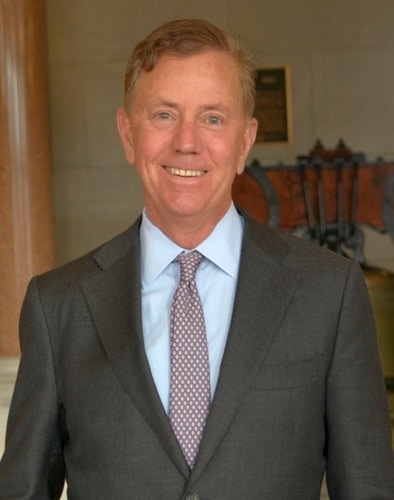
Gov. Ned Lamont said he believes Connecticut can meet President Joe Biden’s challenge to make all adults eligible for COVID-19 vaccines by May 1.

A Long Island real estate investment firm has made its first Connecticut acquisition with a 340-unit apartment complex in Trumbull.
A major change to Connecticut’s vaccination schedule was announced Monday, with the state continuing with a mostly age-based system to make the rollout less complicated after seeing the challenges other states have faced in vaccinating essential workers and people with underlying health conditions.
Connecticut is partnering with a Hartford-based nonprofit organization, which advocates for health equity across the state, to reach out to more than 10,000 minority residents over the next three months and dispel myths about the COVID-19 vaccine.
Gov. Ned Lamont said Tuesday his administration is considering further easing of COVID restrictions and expanding the capacity of private, social, and recreational events at commercial venues.
Roughly 350,000 Connecticut residents age 65 and older can officially begin signing up for COVID-19 vaccination appointments on Thursday, Gov. Ned Lamont announced on Monday.
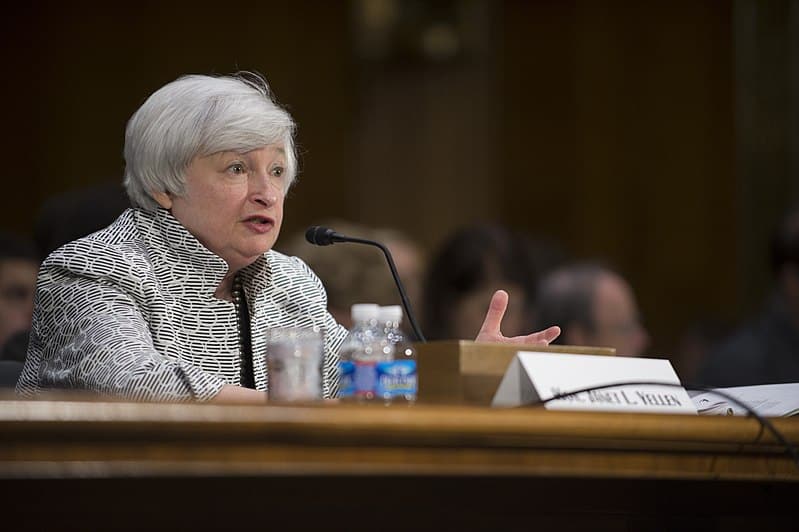
Treasury Secretary Janet Yellen said Sunday the country was still in a “deep hole” with millions of lost jobs but that President Joe Biden’s $1.9 trillion relief plan could generate enough growth to restore full employment by next year.
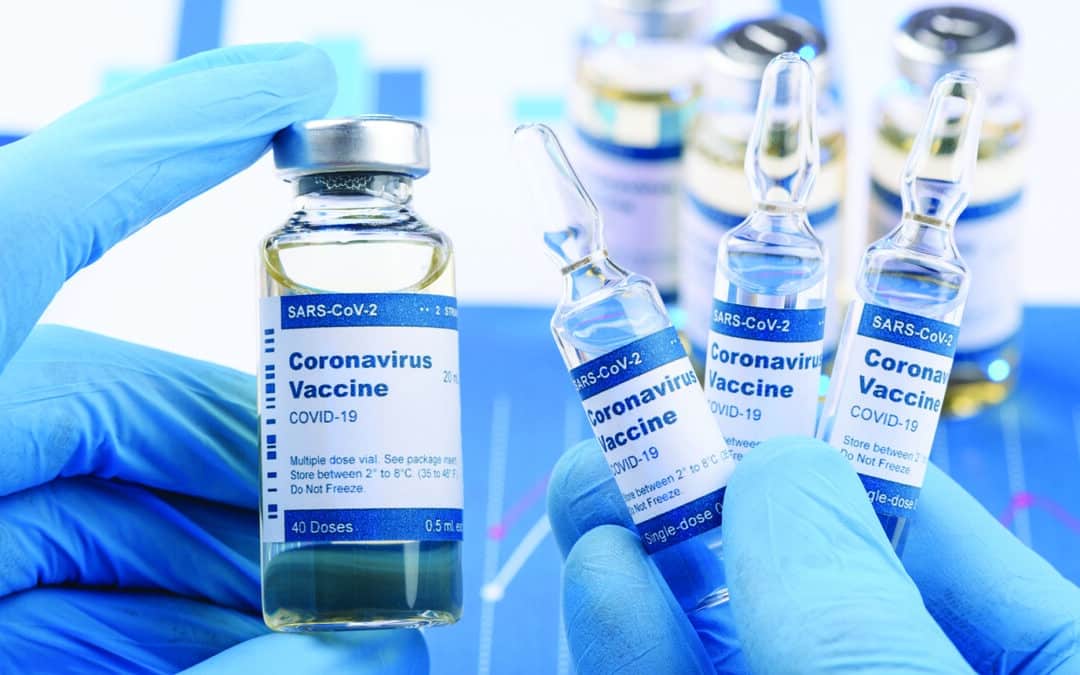
Officials at Hartford HealthCare say their plans to open numerous mass vaccination sites across Connecticut are on hold because they don’t have the supply of vaccine to operate them.
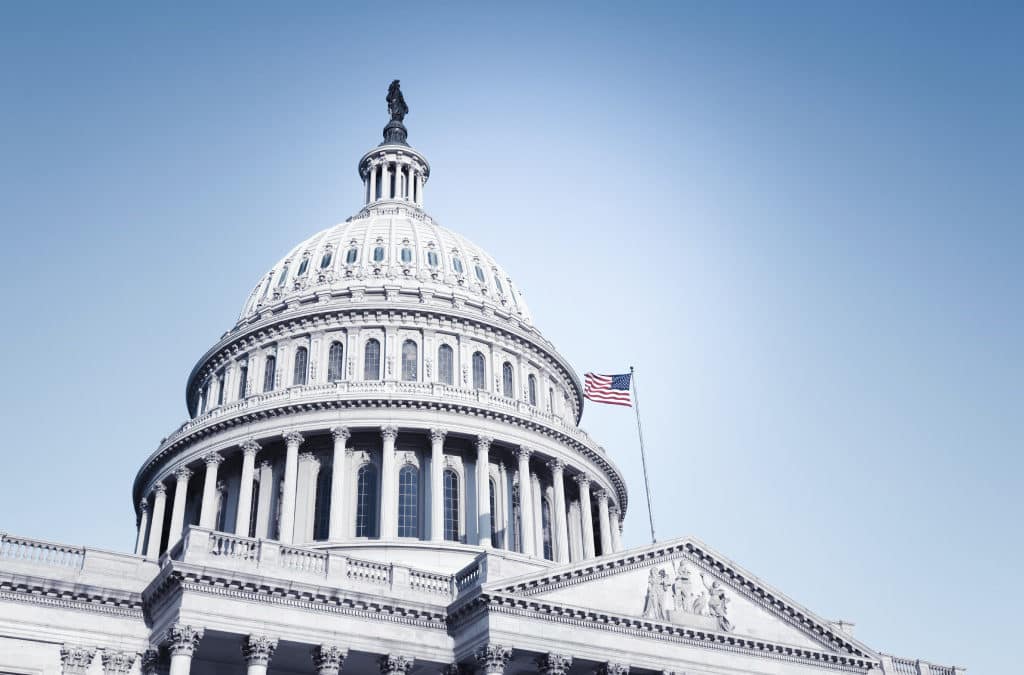
President Joe Biden is set to meet Monday with a group of 10 Republican senators who have proposed spending about one-third of the $1.9 trillion he is seeking in coronavirus aid, though congressional Democrats are poised to move ahead without Republican support.

